
From “Rebounding” to “Building Systems”
How the Eritrean National Basketball Federation can use Olympic Solidarity to develop administrators and strengthen the foundations of the game.
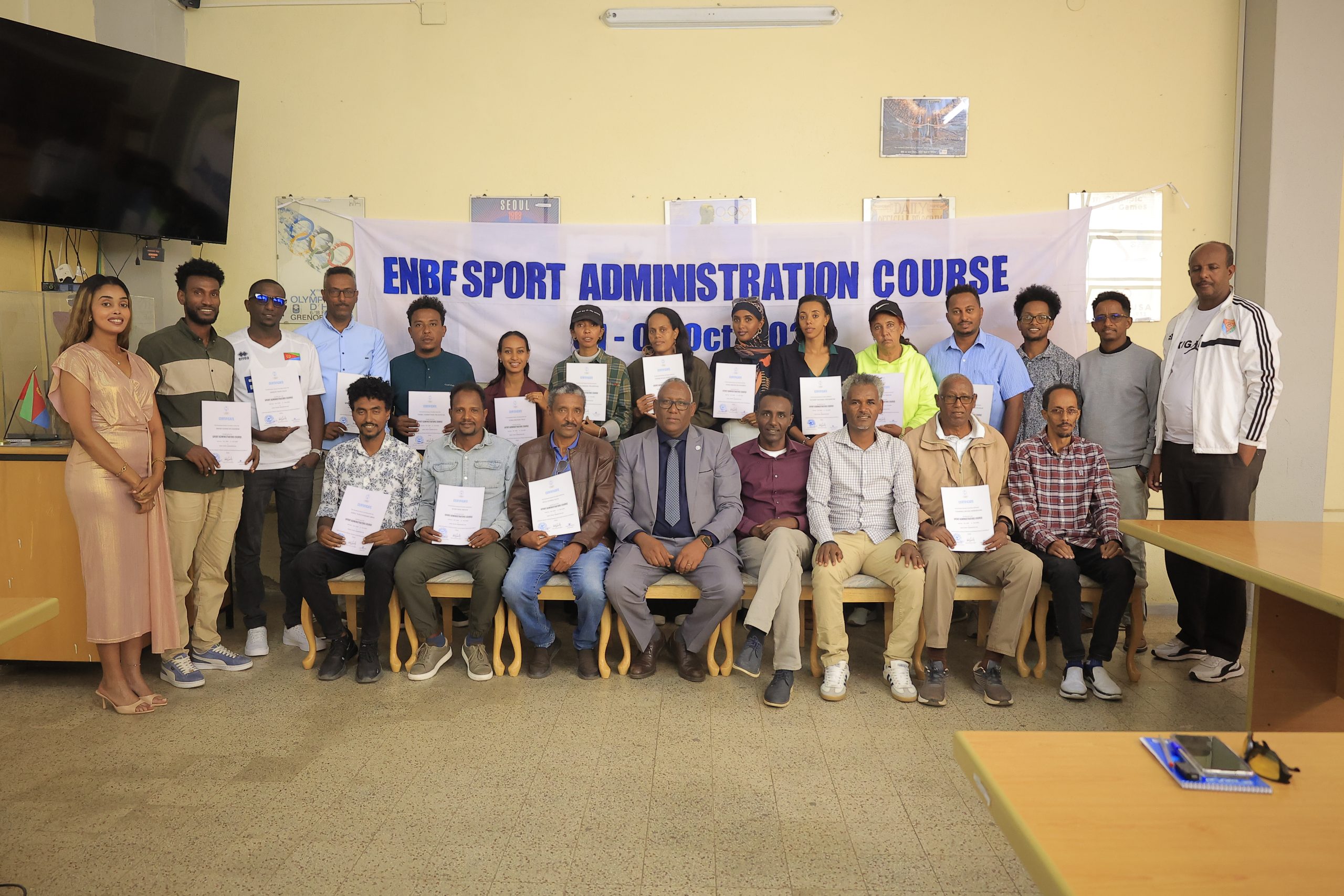
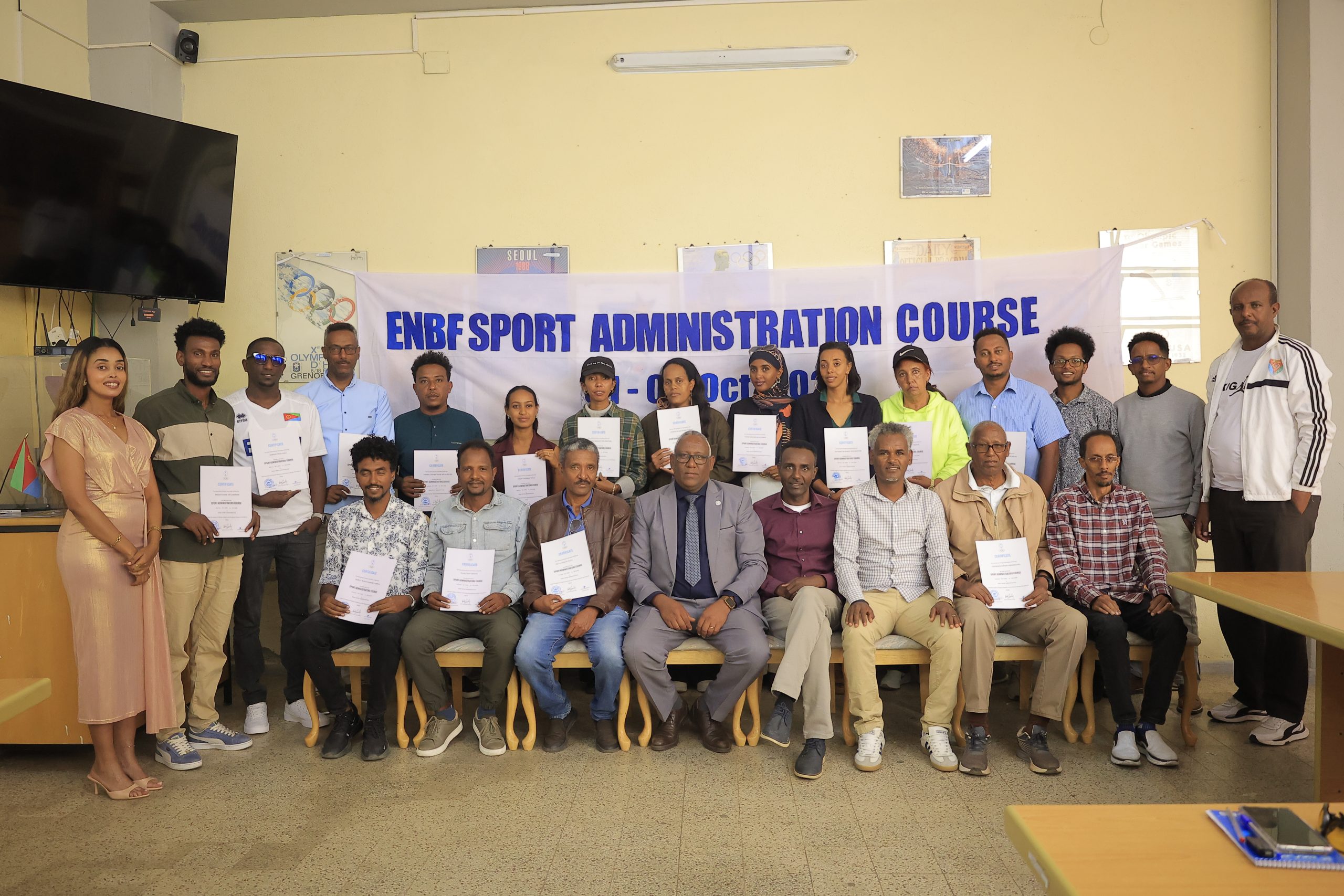
In October 2026, members and players of the Eritrean National Basketball Federation (ENBF) received certificates after completing a sports administration course organised by the Eritrean National Olympic Committee (EriNOC). The four-day course brought together 16 participants from all six regions of Eritrea, including seven women.
For those involved in administering basketball, the achievement represented more than the completion of a course. It offered a structured approach to organising basketball activities, managing human resources and making decisions—building on their passion for the game with practical management knowledge.
Olympic Solidarity was central to this opportunity. Although it is often associated with financial assistance, its contribution also includes investing in the people who organise, administer and sustain sport.
Olympic Solidarity: investing in people
How can a sports administration course help strengthen a country’s basketball system? The answer begins with the people responsible for turning sporting ambition into organised, sustainable activity.
Within EriNOC’s Olympic Solidarity framework, federation management and knowledge sharing are important areas of support. Foundational sports administration courses, advanced sports management courses and the MEMOS executive master’s programme provide pathways for developing management capacity.
These opportunities focus on the people who manage sport. They complement athlete development and coaching by strengthening the administrative foundations on which training programmes, competitions and federation activities depend.
The value of Olympic Solidarity extends beyond funding: it also lies in helping people develop the knowledge and confidence to lead sports organisations effectively.
Why basketball federations need these courses
Many basketball administrators move into their roles after serving as players, coaches or referees. Their knowledge of the game is valuable, but responsibilities such as revising bylaws, managing finances, developing commercial opportunities around events and communicating with the media require additional skills.
For ENBF, building this capacity can strengthen its role in coordinating basketball development and assessing the needs of its programmes. Identifying training priorities through the federation’s committee and working with EriNOC creates a practical route to accessing support.
At the closing ceremony, ENBF President Eng. Henok Amine emphasised that the responsibility of participants extended beyond their own learning. He encouraged them to share the knowledge with the wider federation, improve administration and make use of Olympic Solidarity opportunities to support players.
EriNOC President Mr. Michael Teklemichael described sports administration courses as a vital resource for those managing, administering and organising sport, including elected committee members, coaches and players.
He also indicated that further training opportunities, including sports medicine, were being planned, and encouraged ENBF to use Olympic Solidarity to strengthen its activities. He thanked the federation’s committee for taking the initiative to improve its administrative practices and for creating opportunities for players to participate in the course.
A path worth replicating
ENBF’s approach offers a practical example for other federations: identify administrative needs and actively engage the National Olympic Committee to explore appropriate training opportunities.
Rather than treating cooperation with the NOC solely as a process of submitting documents and awaiting approval, a federation can begin by defining the skills its people need. The NOC can then help coordinate resources and access relevant Olympic Solidarity support.
In this case, ENBF approached EriNOC, which organised the specialised four-day course. Sixteen participants completed the training and received EriNOC certification. Representation from all six regions broadened the reach of the programme, while the participation of seven women highlighted the importance of inclusive opportunities in sports administration.
This willingness to seek training is itself a meaningful step towards stronger management: recognising that a federation’s development depends on continuously improving the capabilities of its people.
Identify the need
The federation defines the administrative skills and knowledge its members need to develop.
Coordinate support
The federation works with the NOC to explore suitable training and Olympic Solidarity opportunities.
Share and apply
Participants bring their learning back to the federation and put it into everyday practice.
A shared management language
Sports administration courses teach principles that are relevant across sports organisations. For basketball federations, this shared management language can support clearer planning, more accountable decision-making and more effective communication.
When seeking support for facilities, speaking with potential sponsors or explaining decisions to the media, administrators need to demonstrate more than enthusiasm for basketball. They need to explain their objectives, justify priorities and show how resources will be managed responsibly.
The course curriculum covered the Olympic Movement, gender issues, sports marketing, human resources and other areas of administration. Bringing administrators and players into the same classroom also created an opportunity to learn from different roles and experiences within the game.
The next step is to carry that learning into federation activities and share it with colleagues. In this way, the benefits of the course can extend beyond those who received certificates.
ENBF’s experience demonstrates why developing administrators deserves a place alongside developing sporting talent. Through purposeful engagement with EriNOC and Olympic Solidarity, federations can strengthen the knowledge, organisation and leadership needed to support their athletes over the long term.
Basketball development · Knowledge sharing · Stronger administration
Explore more EriNOC news →