Olympic
Games
From the athletics track to the Alpine slopes: Eritrea’s journey through the Summer and Winter Olympic Games.
Sydney 2000 → Milano Cortina 2026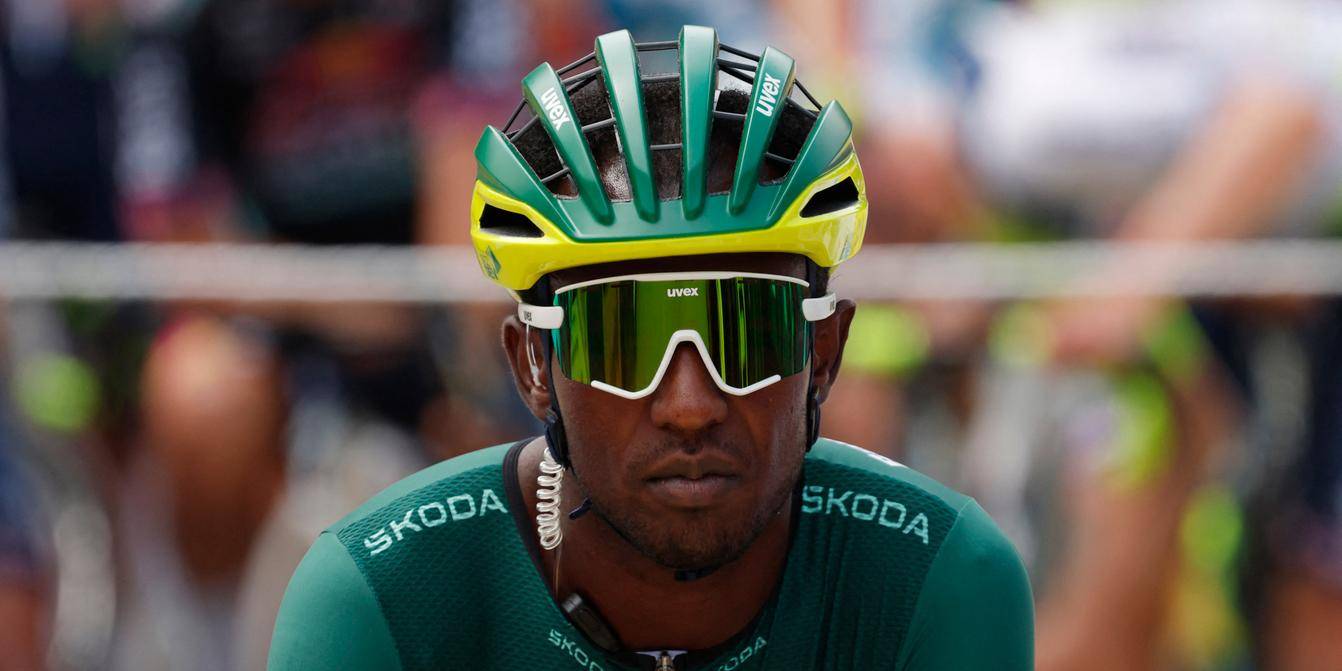
Summer & Winter Olympic Games
The Olympic Games bring athletes together through international competition and the shared values of excellence, friendship and respect. The modern Summer Games began in Athens in 1896; Chamonix 1924 became the first Olympic Winter Games. Each follows a four-year cycle, with the Summer and Winter editions normally taking place two years apart. [1]
The Summer programme includes sports such as athletics, cycling and swimming, while the Winter Games feature sports practised on snow and ice, including Alpine skiing, skating and ice hockey. Different venues and skills are involved, but both offer the same opportunity to compete at the highest level and represent a nation.
For Eritrea, this international stage has grown from a small team of runners into a story encompassing road cycling, sprint swimming and Alpine skiing. The following record focuses on athletes who represented Eritrea at the senior Olympic Games.
A journey built on endurance
Following full IOC recognition of the Eritrean National Olympic Committee in 1999, Eritrea made its Olympic debut at Sydney 2000. It has competed at every Summer edition since then. Athletics formed the foundation; later teams added cycling and swimming, widening the range of opportunities to represent the country. [2]
| Games | Men | Women | Total |
|---|---|---|---|
| Sydney 2000 | 2 | 1 | 3 |
| Athens 2004 | 3 | 1 | 4 |
| Beijing 2008 | 8 | 2 | 10 |
| London 2012 | 11 | 1 | 12 |
| Rio 2016 | 11 | 1 | 12 |
| Tokyo 2020 | 8 | 5 | 13 |
| Paris 2024 | 8 | 3 | 11 |
Three runners establish an Olympic presence
Eritrea’s first team comprised Bolota Asmerom in the men’s 5,000 metres, Yonas Kifle in the men’s 10,000 metres and Nebiat Habtemariam in the women’s 5,000 metres. Their appearances established the country’s independent Olympic participation and began a continuing connection with distance running. Nebiat was also Eritrea’s opening-ceremony flag bearer and its first female Olympian. [3] [4]
Zersenay Tadese wins Eritrea’s first Olympic medal
On 20 August 2004, Zersenay Tadese took bronze in the men’s 10,000 metres in 27:22.57, behind Ethiopia’s Kenenisa Bekele and Sileshi Sihine. In only Eritrea’s second Olympic appearance, he brought the nation onto the medal table. World Athletics identifies this as Eritrea’s first Olympic medal. [5]
The performance remains the defining podium achievement in Eritrea’s senior Olympic history. As of September 2026, the national total is one bronze medal. World Championships, continental championships and Youth Olympic Games results are separate achievements and are not included in this total. [2]
More athletes, more Olympic finals
Beijing demonstrated the depth of Eritrean distance running. Tadese finished fifth in the 10,000 metres, Yared Asmerom placed eighth in the marathon, and Kidane Tadesse finished tenth in the 5,000 metres. Women’s participation included Simret Sultan in the 5,000 metres and Nebiat Habtemariam in the marathon. These results extended the country’s presence beyond a single athlete or event, while keeping endurance running at the heart of the team. [6]
The Olympic story expands onto the road
Daniel Teklehaimanot represented Eritrea in the men’s cycling road race, finishing 72nd. His participation added cycling to a team previously represented only in athletics. On the track, Tadese and Teklemariam Medhin finished sixth and seventh respectively in the 10,000 metres. Rehaset Mehari contested the women’s marathon. London connected Eritrea’s distance-running tradition with another sport in which the country was establishing a strong international identity. [7]
Ghirmay Ghebreslassie finishes fourth
Ghirmay Ghebreslassie’s fourth place in the men’s marathon was Eritrea’s highest finish at Rio. Other notable results included Tadese’s eighth in the 10,000 metres and Abrar Osman Adem’s tenth in the 5,000 metres. Teklehaimanot returned to the cycling road race, placing 43rd, while Nebiat Habtemariam completed her fourth Olympic appearance in the marathon. The team brought together experienced Olympians and a younger generation competing in demanding finals. [8]
Three sports and a broader team
Tokyo marked Eritrea’s first Olympic appearance in swimming: Efrem Ghirmai, listed as Ghirmai Efrem in Olympedia, contested the men’s 50-metre freestyle. Cycling included Amanuel Ghebreigzabhier, Merhawi Kudus and Mosana Debesay, with Debesay representing Eritrea in the women’s road race. [9]
In athletics, Yemane Haileselassie finished fifth in the men’s 3,000-metre steeplechase and Aron Kifle placed tenth in the 10,000 metres. The women’s team competed across the 5,000 metres, 10,000 metres and marathon. The combination of track, road and pool participation made Tokyo an important chapter in the diversification of Eritrea’s Olympic programme. [9]
Running, cycling and swimming on one stage
Eritrea’s Paris team comprised eight athletes in athletics, one cyclist and two swimmers. Samsom Amare achieved a top-ten marathon finish, placing tenth. Dawit Seare reached the men’s 5,000-metre final, while Dolshi Tesfu represented the country in the women’s marathon. [10]
Biniam Girmay competed in both road cycling events, finishing 49th in the road race and 29th in the individual time trial. In the pool, Aaron Ghebre Owusu finished 51st in the men’s 50-metre freestyle and Christina Rach 40th in the women’s event. Their participation continued the swimming presence established in Tokyo and gave Eritrea representation in both women’s and men’s Olympic sprint swimming. [10]
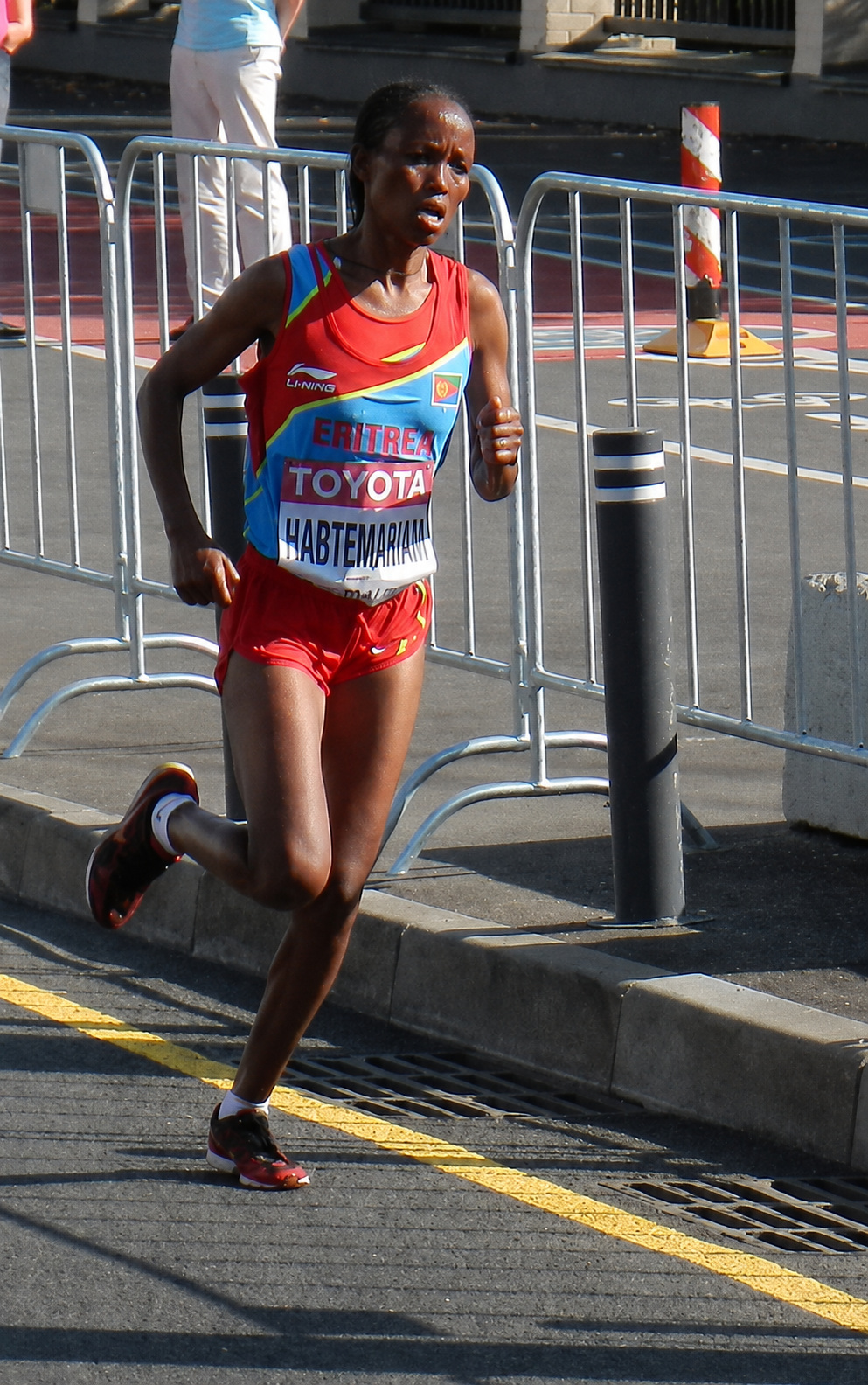
Nebiat Habtemariam: four Games, sixteen years
From the 5,000 metres at Sydney 2000 and Athens 2004 to the marathon at Beijing 2008 and Rio 2016, Nebiat’s Olympic career spanned sixteen years. Her record gives women’s participation a central place in Eritrea’s story from the very first delegation. It also illustrates the long development of an athlete across different distances and successive Olympic generations. [4]
A new chapter on snow
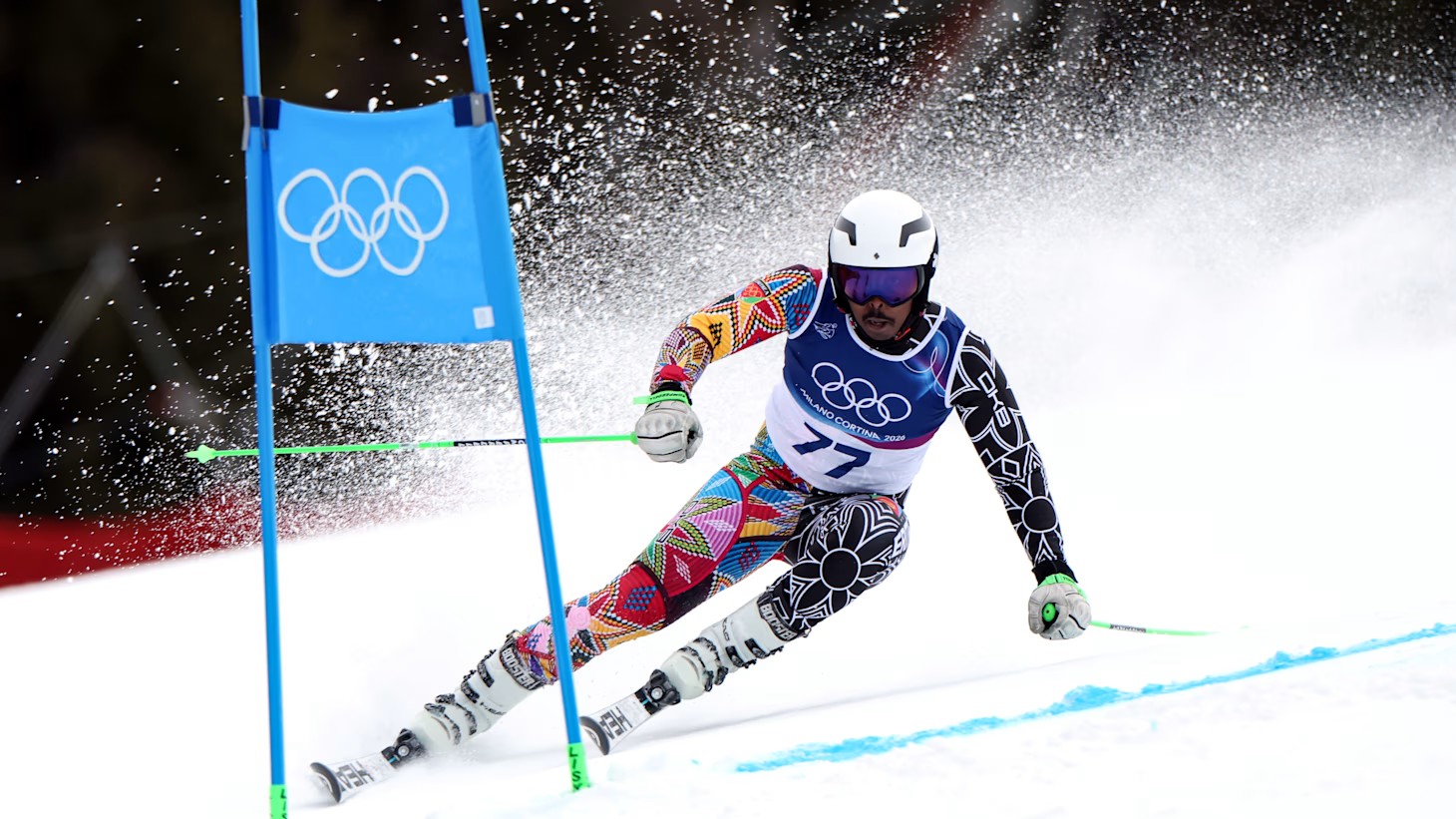
Eritrea entered the Winter Olympic Games at PyeongChang 2018 through Alpine skier Shannon Abeda. He returned at Beijing 2022 and Milano Cortina 2026, representing the country at three consecutive Winter editions. His career gives Eritrea an Olympic presence beyond its better-known summer endurance sports. [2] [12]
| Winter Games | Giant slalom | Slalom |
|---|---|---|
| PyeongChang 2018 | 61st | DNF, first run |
| Beijing 2022 | 39th | Did not compete |
| Milano Cortina 2026 | 69th · 2:56.30 | DNF, first run |
From a debut to a return
At PyeongChang, Abeda competed in both technical Alpine disciplines: giant slalom and slalom. He completed the giant slalom in 61st place. At Beijing, he focused on giant slalom and finished 39th—his highest Olympic placing. Finishing positions should be read within each event’s field and conditions, rather than as a direct measure of speed across different Games. [11]
Milano Cortina 2026
For his third Winter Games, Abeda raced at Bormio in Italy. He completed the giant slalom on 14 February in a combined 2:56.30, placing 69th, and did not finish the first run of the slalom on 16 February. EriNOC’s report also records the Eritrean delegation’s participation in the opening ceremony at Livigno. [11] [12]
A connection with the Eritrean diaspora
Born in Canada, Abeda developed his skiing near the Rocky Mountains. In a January 2026 Reuters interview, he described how representing Eritrea became a way to encourage inclusion and broaden the sporting choices seen as possible within his community. His story connects international training opportunities with Eritrean identity and representation. [13]
What the Olympic journey means
Read together, these records show two complementary forms of progress: competing for the highest places and opening a first opportunity in a new discipline. Tadese’s medal, Ghebreslassie’s fourth place and Haileselassie’s fifth place demonstrate competitive achievement. Olympic appearances in cycling, swimming and skiing broaden the sporting examples available to the next generation.
Women belong in the story
Nebiat’s pioneering role, Mosana Debesay’s road-race appearance and Christina Rach’s participation in swimming show women representing Eritrea across different Olympic sports. Recording these careers alongside the men’s results presents a fuller national history and makes their contributions visible to young athletes.
Values beyond the result
The Games offer a practical setting for the principles of Olympism: pursuing improvement, respecting opponents and meeting people through sport. A medal is a lasting achievement, but the value of participation also lies in the example of sustained preparation, fair competition and the courage to enter an unfamiliar sporting arena.
For readers exploring Eritrean sport, the Olympic record is a starting point. The athletes’ wider careers also include World Championships, African competitions and professional events. Those achievements deserve recognition in their own right, while remaining distinct from Olympic results.
Sources & further reading
Updated 30 September 2026. This page covers the senior Summer and Winter Olympic Games through Paris 2024 and Milano Cortina 2026. Historical participation is drawn from Olympedia; key performances are cross-checked with World Athletics, FIS and EriNOC reporting. Athlete counts exclude officials. Results can be revised by the governing bodies.
- Olympic history: Athens 1896 · Australian Olympic Committee; 100 years of the Winter Games · IOC.
- Olympedia: Eritrea’s participation and medal record.
- Olympedia: Sydney 2000 team and events.
- Olympedia: Nebiat Habtemariam’s Olympic record.
- World Athletics: Tadese’s first Olympic medal; Olympic statistics book (PDF).
- Olympedia: Beijing 2008 results.
- Olympedia: London 2012 results.
- Olympedia: Rio 2016 results.
- Olympedia: Tokyo 2020 results.
- Olympedia: Paris 2024 results.
- FIS: Shannon Abeda’s official competition results.
- EriNOC: Milano Cortina 2026 Winter Olympics.
- Reuters: Shannon Abeda interview, 8 January 2026.